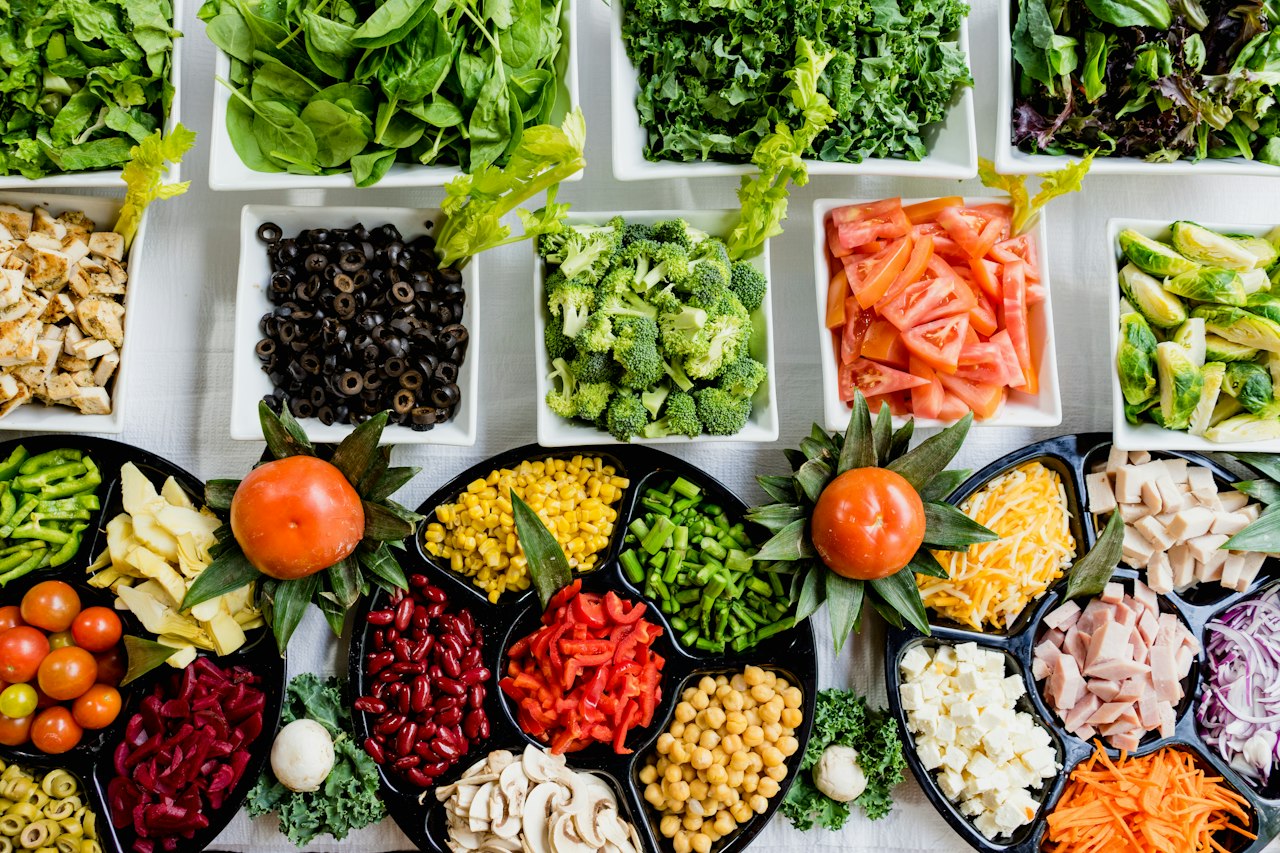
It almost never begins with a whole new diet. More often it’s one small swap — an extra bag of spinach in the cart, a handful of berries added to breakfast — and a quiet curiosity about why that particular food keeps getting mentioned.
What’s striking is how short the list actually is. Instead of a sweeping plan to “eat clean,” the foods that surface over and over in studies on memory and thinking come down to just a few familiar items you could pick up on any ordinary grocery run.
The Foods That Keep Turning Up in the Research
In one of the most cited studies on the subject, researchers followed adults between the ages of 58 and 99 for close to five years, noting what they ate and tracking how their memory and thinking held up. Those who averaged about a single daily serving of leafy greens declined more slowly on cognitive tests than those who rarely touched them — a gap the authors likened to being roughly eleven years younger in cognitive age.[1]
And the same line of research keeps returning to a tight, unglamorous shortlist rather than a complicated regimen:

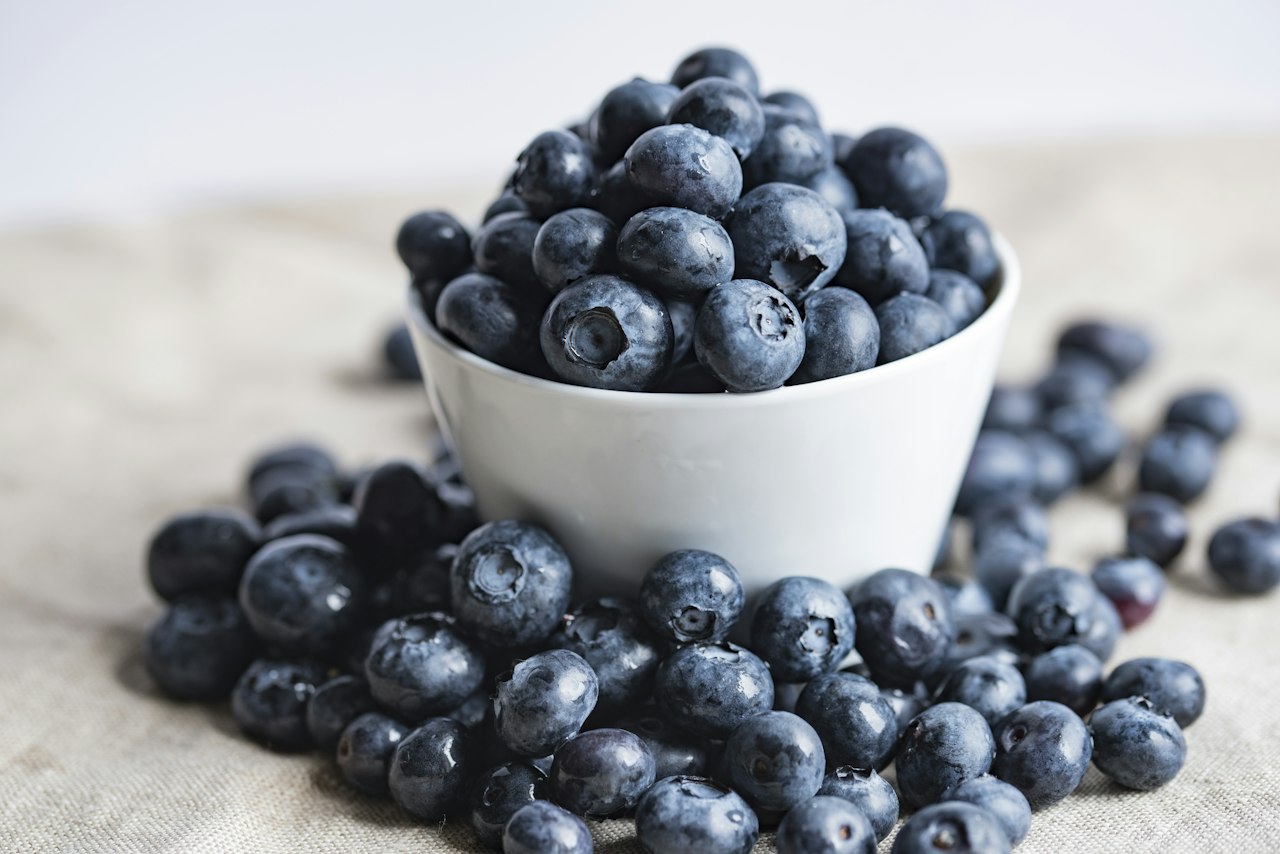
A short list added to a grocery run you were already making — not an overhaul of everything in the fridge.
None of this stands in for medical care, and no single item is a fix on its own. The researchers themselves are careful to call it an association rather than proof that any one food changes the outcome — and that caution is part of why these specific staples keep ending up on more carts.
Why It Keeps Landing on More Grocery Lists
The spark is usually small. A friend mentions switching to a bag of greens; an adult child notices a parent’s cart looks a little different than it used to; someone reads one more headline and decides it’s an easy enough change to try.
It spreads precisely because it asks for so little — a short, specific list folded into shopping that was happening anyway, not a wholesale change in how anyone eats.
What follows on this page is a general overview of that research and the reasoning behind it. It is general information, not medical advice, and not a promise of any particular result. These statements have not been evaluated by the Food and Drug Administration.
What This Overview Covers
- The specific foods that research has studied most closely in relation to memory and thinking
- Why scientists frame this as an association rather than a guaranteed result for everyone
- How people are quietly folding these items into a grocery list they already keep
References
- Morris MC, Wang Y, Barnes LL, Bennett DA, Dawson-Hughes B, Booth SL. “Nutrients and bioactives in green leafy vegetables and cognitive decline: Prospective study.” Neurology, 2018;90(3):e214–e222. View on PubMed →
See how the short list comes together
General information · No obligation to continue
Watch Now